


TechTrendery.com USA: What the Site Is, Whether It Is Really American, and If It Is Worth Reading

The short version first
TechTrendery.com is a real, free-to-read blog with a technology lean and a much wider mix of topics underneath. It is worth a browse if you like plain-language explainers. But the “USA” in the search phrase does not mean what most people assume. There is no clear evidence of a separate American edition, and a .com address does not prove a company is based in the United States. Treat the site the way you would treat any independent online magazine: useful for orientation, not a substitute for primary sources.
That distinction is the whole article, really. Everything below is the evidence for it.
What TechTrendery.com actually is
Strip away the search-result hype and TechTrendery.com is a WordPress-based publishing site. Articles open without a paywall and without an account. The standard pages are all there: About, Contact, Privacy Policy, Terms. That is the baseline of a maintained blog, and the site clears it.
Technology is the main lane. The visible coverage leans into practical consumer tech: AI tools and what they cost, phone and Windows settings, software explainers, gadget questions, cybersecurity basics. The style is “what does this mean for the person using it” rather than “here is the press release rewritten.” That is a reasonable niche and the site fills it competently.
But the homepage tells a broader story than the tech label suggests. Depending on when you visit, you will also find business and digital marketing pieces, biography-style posts about public figures, and general lifestyle content. One page of the site describes itself in terms of celebrating remarkable lives, which sits a little oddly next to a Windows settings guide. Both descriptions are real. They describe different layers of the same publication, and the mix shifts over time.
So the honest one-line definition: a multi-topic digital publication with significant technology coverage, free to read, aimed at general readers rather than specialists.
The USA question, answered plainly
This is where most of the confusion lives, so let us be direct.
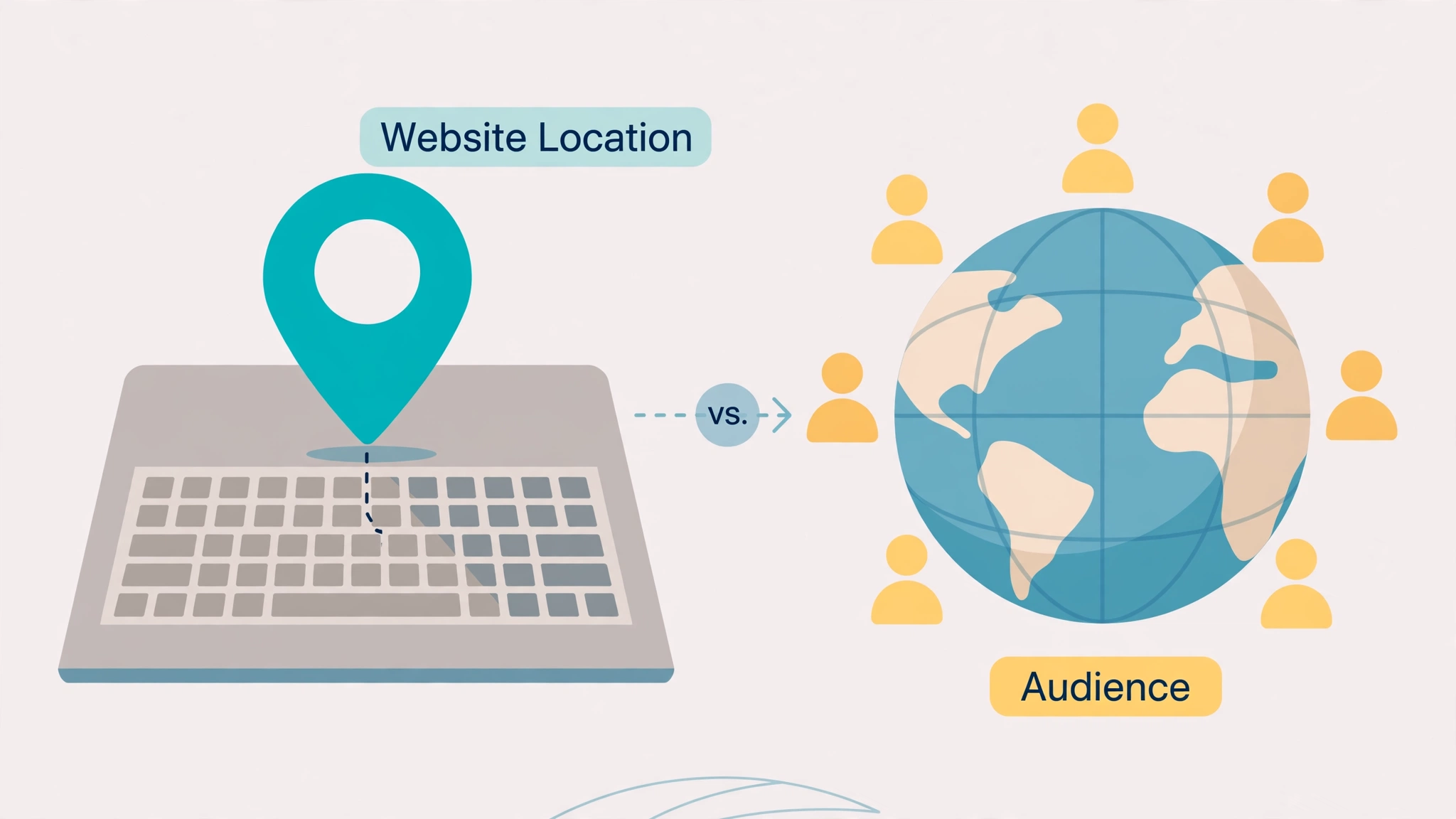
People type “techtrendery.com usa” for practical reasons. They want to know if it is a US site, whether its content applies to them, and whether it is safe to open. The search phrase is doing real work for them. But it is a search phrase, not a product name. The public site gives no clear sign of a dedicated USA domain, a US subdomain, or a separately run American edition. What exists is techtrendery.com, read by Americans among others.
And the .com part proves nothing about location. A .com address can be run from the United States, Pakistan, the UK, Canada, India, or anywhere else. A site can have American readers, American topics, even American advertisers, without being an American company. None of the site’s public pages establish a verified US headquarters, and several independent write-ups of the domain reach the same conclusion.
Does that make the site untrustworthy? No. It makes it an independent blog, which is a different claim than being a US newsroom. Read it accordingly. For gadget explainers and “where is this setting” guides, the location of the author barely matters. For anything involving money, health, law, or security, verify against a primary source before acting. That rule applies to every site in this category, and we have made the same point reviewing other general-interest web properties where the branding outruns the documentation.
Watch out for the similar names
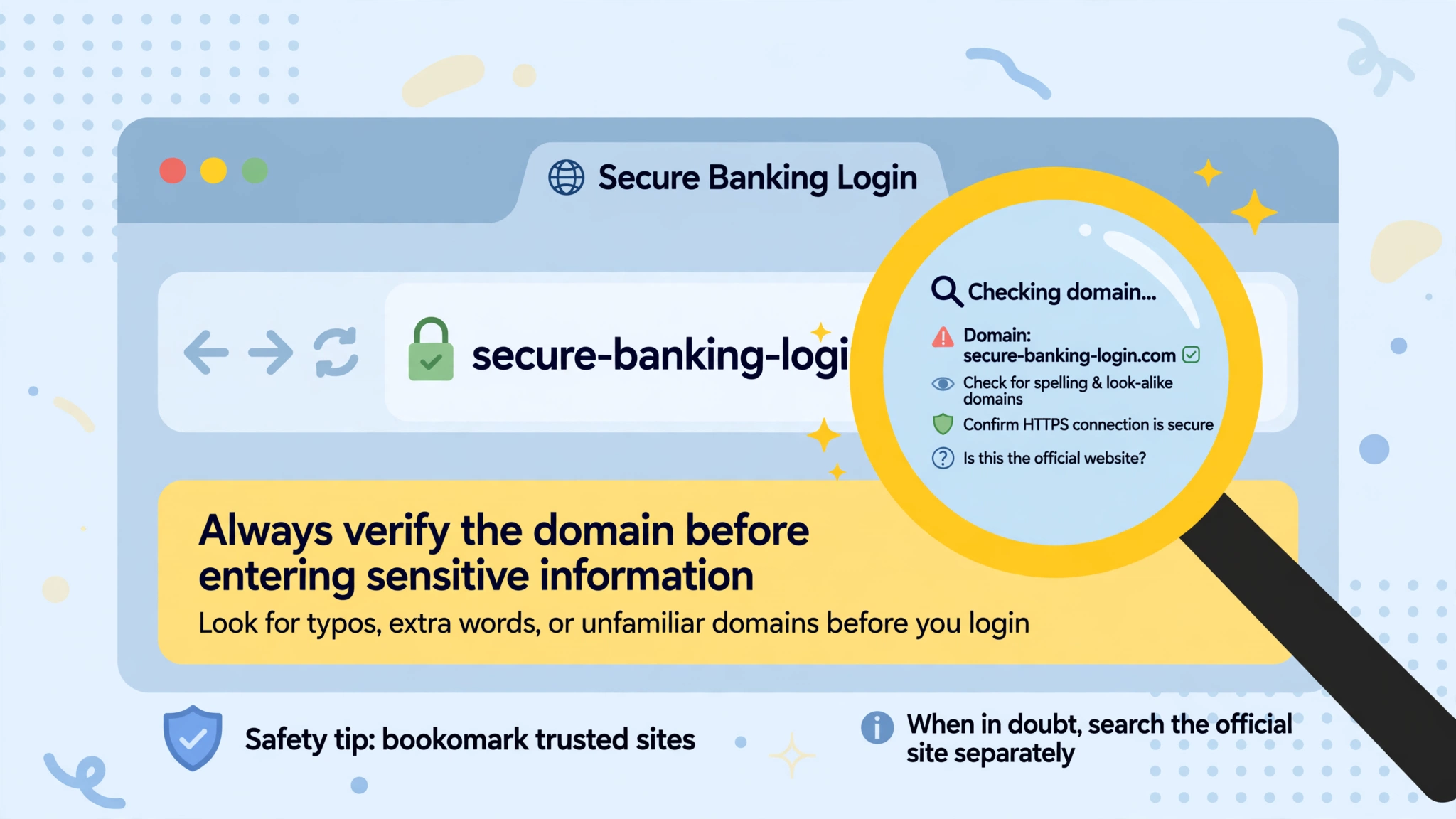
One more thing worth knowing before you click around. The name TechTrendery shows up on more than one domain. There is techtrenderyusa.com, which presents itself as a separate “TechTrendery USA” tech publication, and thetechtrendery.com, which runs similar “what is TechTrendery” guide content. These are not obviously the same operation as techtrendery.com.
This matters because search results mix them together freely. If you read a review of “TechTrendery” and then open a different domain with the same name in the tab, you are not reading about the site you think you are. Check the actual URL in your address bar. We flagged the identical problem in our Fentomagazine.com review: copycat and lookalike domains are the norm for sites in this corner of the web, and the only defense is looking at the domain itself.
Who it is actually for
The site fits a few kinds of readers well. People who want a quick, plain-English explainer on a gadget, an app, or a digital workflow will find plenty to browse. Readers kicking around business or marketing ideas in plain language get a steady feed. Anyone who moves between tech, business, and lifestyle topics in one sitting will feel at home.
It is a weaker fit if you need specialist reporting, original testing, or regulated advice. A general blog post about a VPN is not a security audit. A post about a health gadget is not medical guidance. Use the articles as starting points, follow the better ones to their sources, and you will get value out of the site. Treat any single article as the final word and you are using the wrong tool for the job.
Frequently asked questions
Is TechTrendery.com a US website?
Not in any verified sense. It is a .com publication read by Americans, and people search for it with “USA” attached, but there is no clear evidence of a separate American edition or a verified US headquarters. The .com extension does not establish location.
Is TechTrendery.com free to read?
Yes. Articles open without a paywall or a required account, based on the publicly visible site.
Is TechTrendery.com safe to open?
Nothing about the site raises the usual red flags: no forced downloads, no aggressive pop-up behavior reported, standard About and Contact pages present. Normal browsing caution applies, as with any ad-supported blog.
What does TechTrendery.com publish?
Mostly practical technology content: AI tools, software, gadgets, settings guides, cybersecurity basics. Around that core there is a wider mix: business, digital marketing, biographies, lifestyle, and general-interest pieces.
Can I trust its articles?
For orientation-level tech explainers, it is a reasonable starting point. For anything where accuracy has consequences (money, health, legal, security), verify the claims against a primary or specialist source before acting.
Why are there several sites with similar names?
Because the name is not strongly defended. Techtrenderyusa.com and thetechtrendery.com are separate sites using near-identical branding. Always check which domain you are actually on.
A last word
TechTrendery.com is not a scam, not a secret, and not an American institution. It is a free, multi-topic blog with a tech habit, written for general readers, and perfectly usable as long as you know what it is. The “USA” in your search was a question, and now you have the answer: it is a phrase, not a place.