

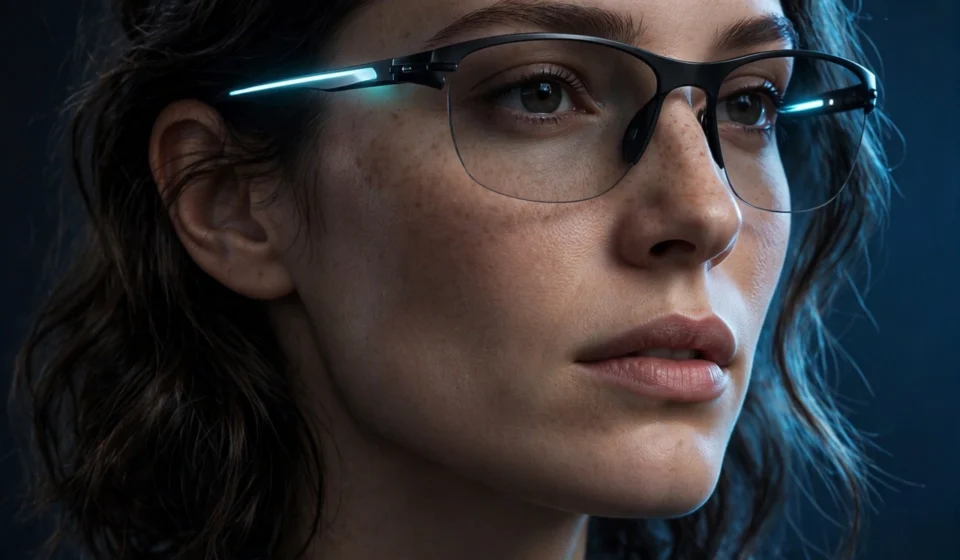

Are AI smart glasses worth buying in 2026? Short answer: for the right person, yes — they’ve finally crossed the line from gimmick to genuinely useful. But they’re still not for everyone, and the marketing hype is running well ahead of reality.
After a year where Meta, Oakley, Rokid, and a dozen others all shipped new models, here’s an honest breakdown of what AI smart glasses actually do in 2026, the five models worth knowing, and whether you should spend your money — or wait.

What AI Smart Glasses Actually Do in 2026
Forget the sci-fi fantasy. Here’s what the current generation really delivers:
- Hands-free photo and video capture — a 12MP camera in the frame shoots 3K vertical video, perfect for TikTok, Reels, and Shorts without holding a phone.
- An AI assistant that sees what you see — ask “what am I looking at?”, get live translations of signs and menus, or identify landmarks in real time.
- Open-ear audio — take calls and listen to music without blocking your ears, so you stay aware of traffic and surroundings.
- Live translation — some models translate conversations in near real time, genuinely useful for travel.
What they mostly don’t do yet: full augmented reality. Only a handful of expensive models (like the $799 Meta Ray-Ban Display) put an actual screen in your field of view. The mainstream $379–$499 models have no display at all — all the “smart” happens through voice and your phone.
The 5 Best AI Smart Glasses Right Now
| Model | Best For | Display | Battery (glasses) | Approx. Price |
|---|---|---|---|---|
| Ray-Ban Meta Gen 2 | Best Overall | None | Up to 8h | $379 |
| Oakley Meta Vanguard | Athletes & Outdoors | None | Up to 9h | $499 |
| Meta Ray-Ban Display | Built-in Display | Full-color, right lens | ~6h | $799 |
| Solos AirGo Vision | Budget Pick | None | All-day audio | From $249 |
| Rokid Glasses | Live Translation | Monochrome | ~8h | From $599 |
Prices are starting prices and vary by frame, lenses, and region.
1. Ray-Ban Meta Gen 2 — Best Overall ($379)
The safest first buy. It looks like normal Ray-Bans, shoots 3K video, runs Meta AI, and lasts up to 8 hours — double the first generation. If you want the most polished everyday AI glasses experience without looking like a cyborg, this is it.
2. Oakley Meta Vanguard — Best for Athletes ($499)
Same Meta AI brains as the Ray-Ban, but in a sport frame with a wider 122° camera view and IP67 water and dust protection. Built for runners, cyclists, and skiers who want POV training footage with Strava-style integrations.
3. Meta Ray-Ban Display — Best with a Screen ($799)
The glimpse of the future: a full-color display projected into the right lens for private notifications, navigation prompts, and AI answers you can see. Battery life (~6 hours) and the $799 price make it an enthusiast product, not a mainstream one — but it’s the clearest look at where this category is going.
4. Solos AirGo Vision — Best Budget Pick (from $249)
The cheapest credible entry point. You get a camera, GPT-style AI, and all-day audio for roughly two-thirds the price of the Ray-Ban. Corners are cut on video quality and polish, but as a low-risk way to try the category, it’s compelling.
5. Rokid Glasses — Best for Translation (from $599)
If live translation is your killer feature, Rokid leads here — real-time conversation translation with a monochrome in-lens display showing the translated text. Light, comfortable, and genuinely useful for frequent travelers.
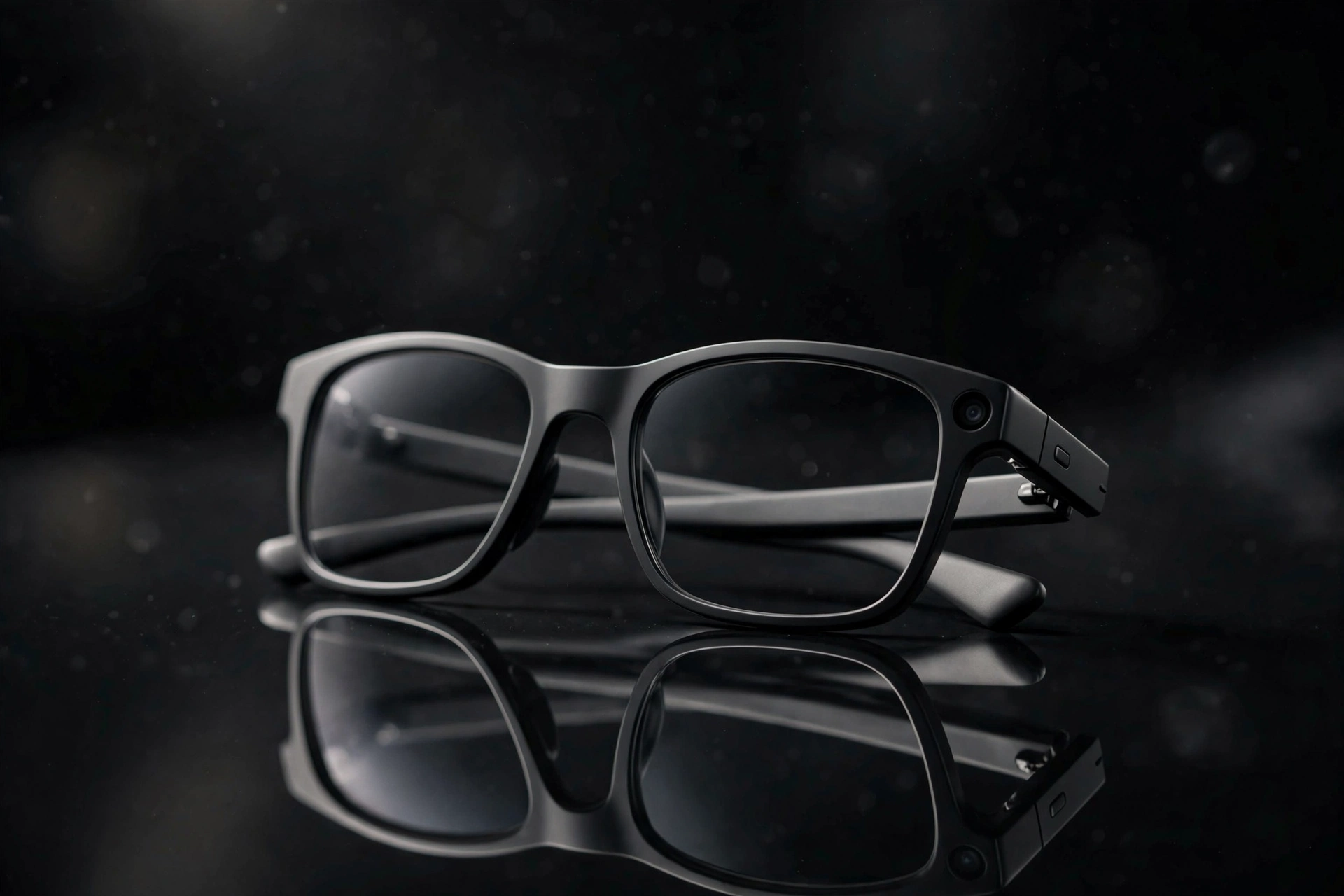
Reasons to Buy: Why They’re Worth It in 2026
They solve real problems now. Hands-free capture for creators, live translation for travelers, and POV recording for athletes aren’t demos anymore — they work, today, in shipping products.
The style problem is solved. The Ray-Ban and Oakley frames look like normal glasses. You can wear them to dinner without anyone noticing — which was never true of Google Glass-era hardware.
Battery life finally lasts a day. Eight to nine hours per charge plus 36–50 hours from the case means most people charge every few days, not every few hours.
Prices have a real entry point. At $249–$379, the mainstream models cost less than a mid-range phone — a completely different proposition from the $1,000+ AR headsets of a few years ago.
The AI keeps getting better via software. Unlike most gadgets, these improve over time — Meta’s AI updates have added features to glasses people already owned.
Reasons to Wait: The Honest Downsides
No display on most models. If you imagined AR directions floating in front of you, the $379–$499 models won’t do that. The display version costs $799 and lasts ~6 hours.
Privacy is a genuine concern. A camera on someone’s face makes people uncomfortable, and rightly so. Recording indicators help, but social acceptance is still catching up — expect questions, and some venues ban them.
You’re buying into an ecosystem. Meta’s glasses work best inside Meta’s world. Switching costs are real if the platform direction changes.
Battery anxiety on heavy camera days. Eight hours is “typical use.” A full day of video capture drains them much faster.
The tech is still moving fast. Buying now means your $379 glasses could feel dated in 18 months as display models get cheaper and lighter.
Who Should Buy vs. Who Should Wait

Buy now if you are:
- A content creator who wants hands-free vertical video
- A frequent traveler who’d use live translation
- An athlete wanting POV training footage
- A tech enthusiast who enjoys being early
Wait if you are:
- Hoping for full AR with rich displays — give it 1–2 more generations
- Privacy-sensitive or often in no-camera environments
- On a tight budget — the $249+ entry is fair, but not impulse-buy cheap
- Happy with your phone — nothing here replaces it yet
Frequently Asked Questions
Do AI smart glasses need a phone to work?
Yes, for now. Current models pair with your phone over Bluetooth and Wi-Fi for connectivity, AI processing, and sharing. They can’t replace your phone — think of them as an accessory, not a standalone device.
Can people tell when you’re recording with smart glasses?
There’s a visible LED recording indicator on models like the Ray-Ban Meta, which lights up during capture. Covering or disabling it violates the terms of use. Still, be mindful — laws and norms around recording vary by place.
Do AI smart glasses work with prescription lenses?
Most major models do. Ray-Ban Meta, Oakley Meta, and Rokid all offer prescription lens options (sometimes at extra cost). A few sport-focused models are the exception, so check before buying if you wear glasses.
How is the audio quality on smart glasses?
Surprisingly good for calls and podcasts — open-ear speakers have improved a lot. But they can’t match earbuds for music in noisy environments, since nothing seals your ear. Think convenience over fidelity.
Are AI smart glasses safe for your eyes?
The glasses themselves are just eyewear — no lasers pointed at your eyes in mainstream models. Display models use low-power projection. Standard eye-safety certifications apply, but as with any new tech, buy from established brands.
Final Verdict
So — are AI smart glasses worth buying in 2026? Yes, if you have a specific use for them. Content creators, travelers, and athletes are getting real, daily value from the current generation, led by the excellent Ray-Ban Meta Gen 2 at $379.
But if you’re buying on hype alone, or waiting for true AR glasses that replace your phone, wait. The display models are still first-generation expensive, and the no-display models — good as they are — are essentially a great camera, great AI assistant, and great earbuds fused into your eyewear. That’s genuinely useful, just not yet revolutionary.
The honest summary: the gimmick era is over. The revolution is still loading.